
When a Boundary Survey Finds the Fence Is Not Where Everyone Thought
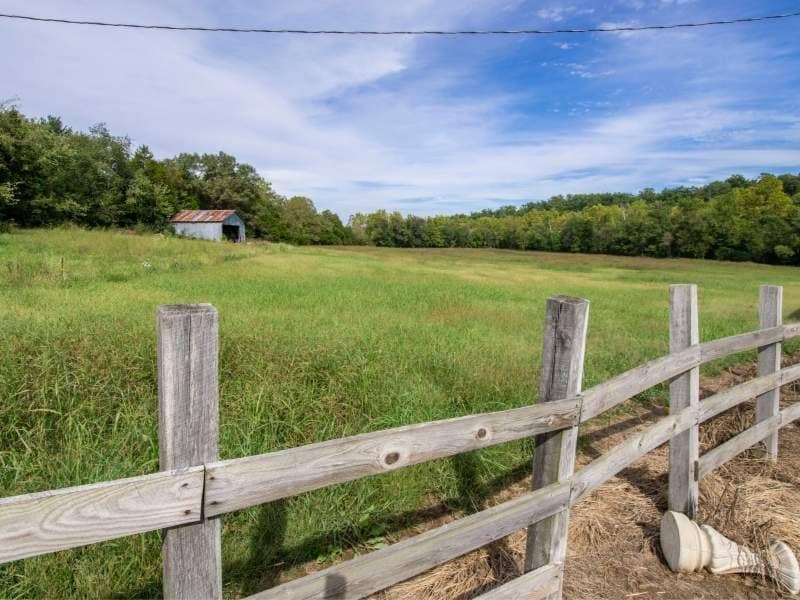
A boundary survey reveals what the recorded documents say, not what the fence suggests. When the results differ from what owners expected, the reaction is usually the same. That response makes sense, because a fence sitting in the same spot for thirty years starts to feel like proof of something. It isn’t. This article explains why that gap between assumption and documentation happens, and what it actually means when a boundary survey surfaces information that no one was expecting.
The Longer Something Stays in Place, the More Permanent It Feels
A fence installed decades ago tends to disappear into the background of daily life. It becomes part of how a yard looks, part of how the neighborhood feels, and part of how families remember the property. When something stays put long enough, people stop questioning it. They start treating it as settled.
That’s a natural human response, not a mistake. The problem comes when that sense of permanence gets confused with legal accuracy. A fence can stand for fifty years on a misaligned position and still be misaligned on day one of year fifty-one. The physical fact of its presence doesn’t connect to the recorded legal description. One is a structure someone built. The other is documentation created through measurement, research, and professional certification.
When a boundary survey comes back with results that don’t match the fence line, people are often surprised that those two things were ever separate to begin with.
Familiarity Has a Way of Becoming Certainty
When neighbors grow up seeing the same fence line, they start to accept it as the boundary. Prior owners referenced it. Landscapers worked around it. Contractors used it as a rough guide. Over time, the assumption that the fence marks the property line gets passed along without anyone checking whether it was ever true.
This isn’t unusual. Visual cues carry a lot of weight in how people understand property, and most owners have never had a reason to look at the legal description carefully. So the idea that the fence sits on the boundary isn’t something they decided, exactly. It’s something they absorbed, the way you absorb the layout of a neighborhood by driving through it enough times.
The challenge is that absorbed assumptions don’t replace recorded information. They just sit quietly until something like a boundary survey asks them to prove themselves.
A Boundary Survey Does Not Change the Land
This is where a lot of confusion tends to appear. When a survey finds that the fence sits two feet inside the neighbor’s recorded boundary, some owners interpret that as the survey creating a problem. It didn’t.
The survey found a condition that already existed. The legal boundary was always where the documents said it was. The fence was always where it was built. The survey simply measured both and produced documentation that shows the relationship between them. That’s the whole job: comparing physical conditions to recorded information and reporting what the comparison reveals.
Nothing about the land moved. No new lines appeared. The survey gave the owner clear, documented information about something that was already true, even when no one knew it yet.
Some Discoveries Raise Bigger Questions
Once owners see that the fence doesn’t sit on the recorded boundary, they often start thinking about other things. A property sale that’s been in the back of their mind. A fence replacement they’ve been planning. A room addition that requires setback confirmation. A conversation with a neighbor that now feels a little more complicated.
That’s a reasonable response. One piece of documentation can open up a wider view of the property. It raises questions about what else might need to be looked at before any of those future projects move forward. Owners who were focused on one thing, like replacing an old fence, may find themselves thinking more broadly about how the property is documented and what that means for decisions they’ll make in the next few years.
Facts Tend to Outlast Assumptions
Memories of where the fence was, what a previous owner said about the boundary, what a neighbor agreed to years ago, those things fade. They change with each ownership transfer. They get interpreted differently by different people. What stays consistent is documentation.
A boundary survey produces information that remains accurate regardless of who owns the property or how long it’s been. Future buyers, lenders, contractors, and attorneys will all work from the same documented record. That gives an owner something that assumptions simply can’t provide: a stable, verifiable starting point for any decision tied to the property.
Frequently Asked Questions
Can an old fence be different from the recorded property boundary?
Yes. A fence may have been installed years ago based on informal placement rather than a formal survey, and it may not reflect the legal boundary as recorded in property documents.
Does a boundary survey move the property line?
No. A boundary survey identifies and documents existing boundaries rather than creating or relocating them. The legal line was always where the recorded documents placed it.
Why do people often assume fences mark the true boundary?
Long-standing structures become part of how people understand and remember their property. Familiarity builds over time, and assumptions get passed from one owner to the next without anyone verifying the original placement.
What happens if a boundary survey shows something unexpected?
Owners can use the documented information to make informed decisions about future improvements, property sales, fence replacement, or any other planning tied to the property.
Is a boundary survey only useful when replacing a fence?
No. Documented boundary information remains relevant throughout ownership and carries forward to future buyers, lenders, and contractors who rely on recorded information for their own decisions.